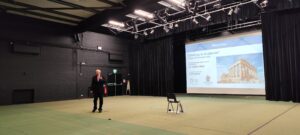
Our Services for Academia include Facilitations, Research Sandpits and Learning Events for both Academic Staff and Researchers.
Facilitations
Facilitations are delivered as bespoke thinking structures and processes to meet specific outcomes, based on what you would like to achieve.
Facilitations for Academia
Services include events and programmes such as:
Departmental Strategy
Programme Development Ideas
Industry and Academic Consultations
Conferences
Inter-departmental or
multi-disciplinary programmes
Wellbeing Initiatives
Team Values and Strategy
Calls for Research Proposals
Research Sandpits
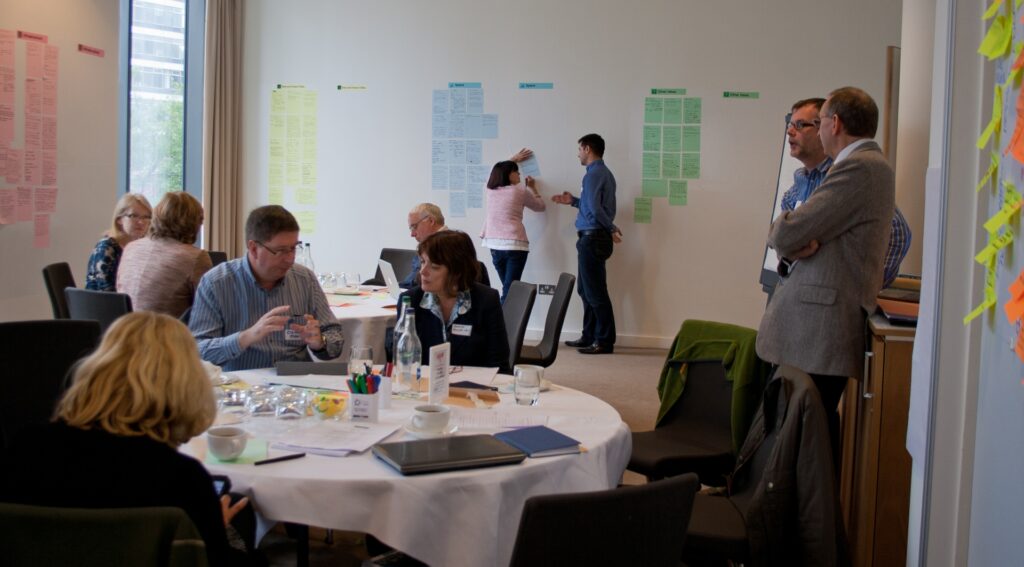
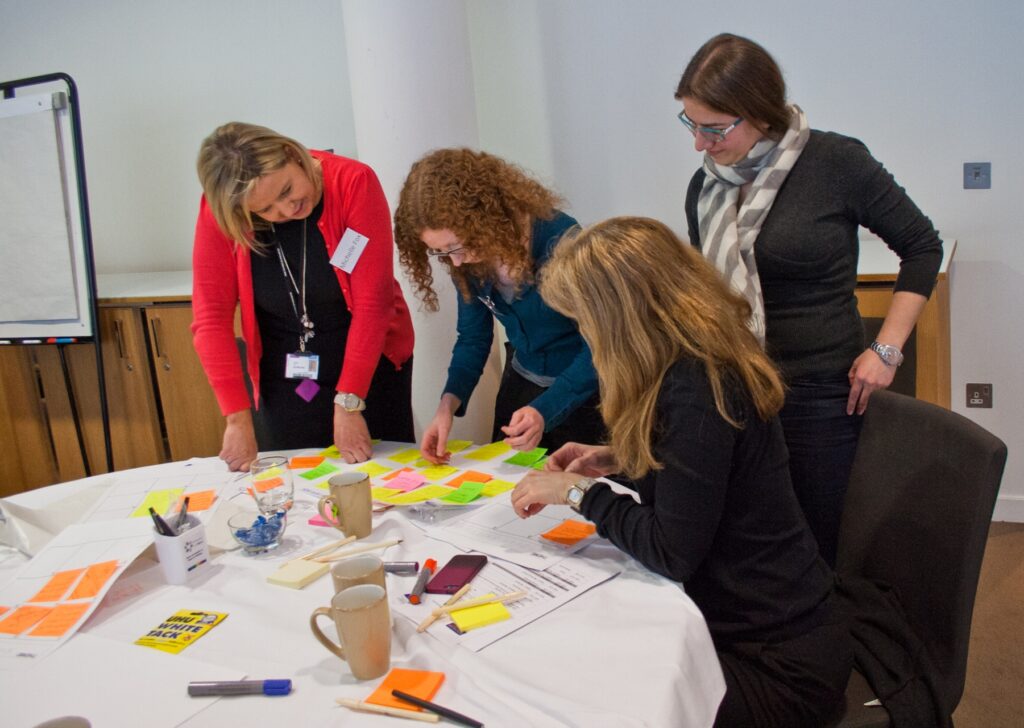
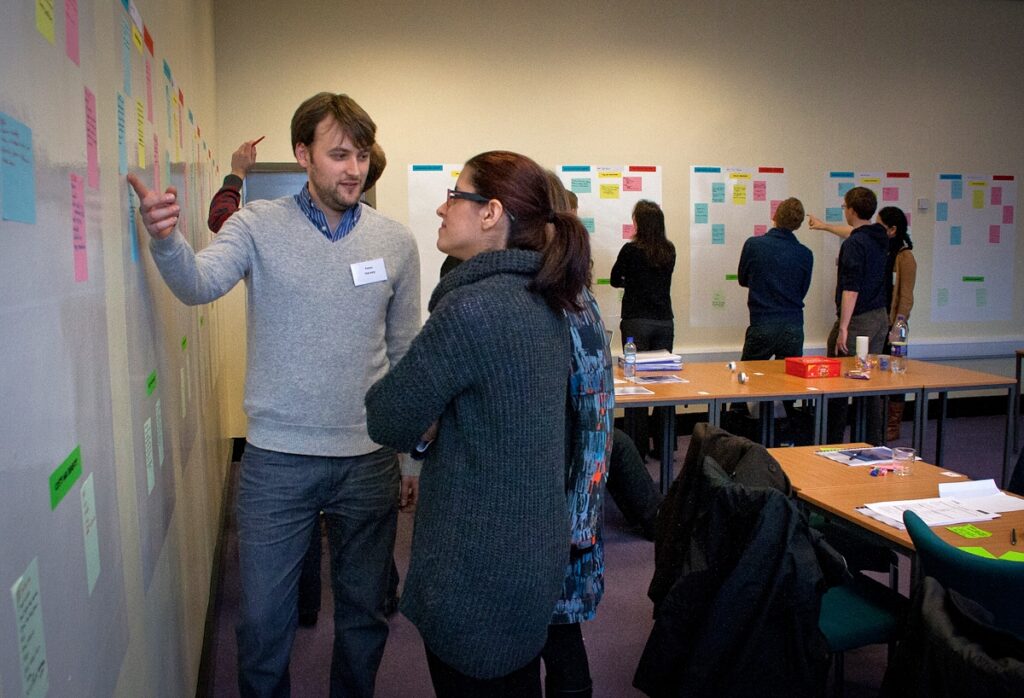
In addition to facilitated and learning events for Academia, we offer the “Research Sandpit” format as a simulated learning experience for postgraduate researchers; for research groups on live programmes seeking to develop their creative thinking skills, and learn how to work effectively in teams under inititiatives such as EPSRC’s “Creativity@home”; and for teams coming up with ideas for proposals or improvements.
Learning Events
Academic Staff
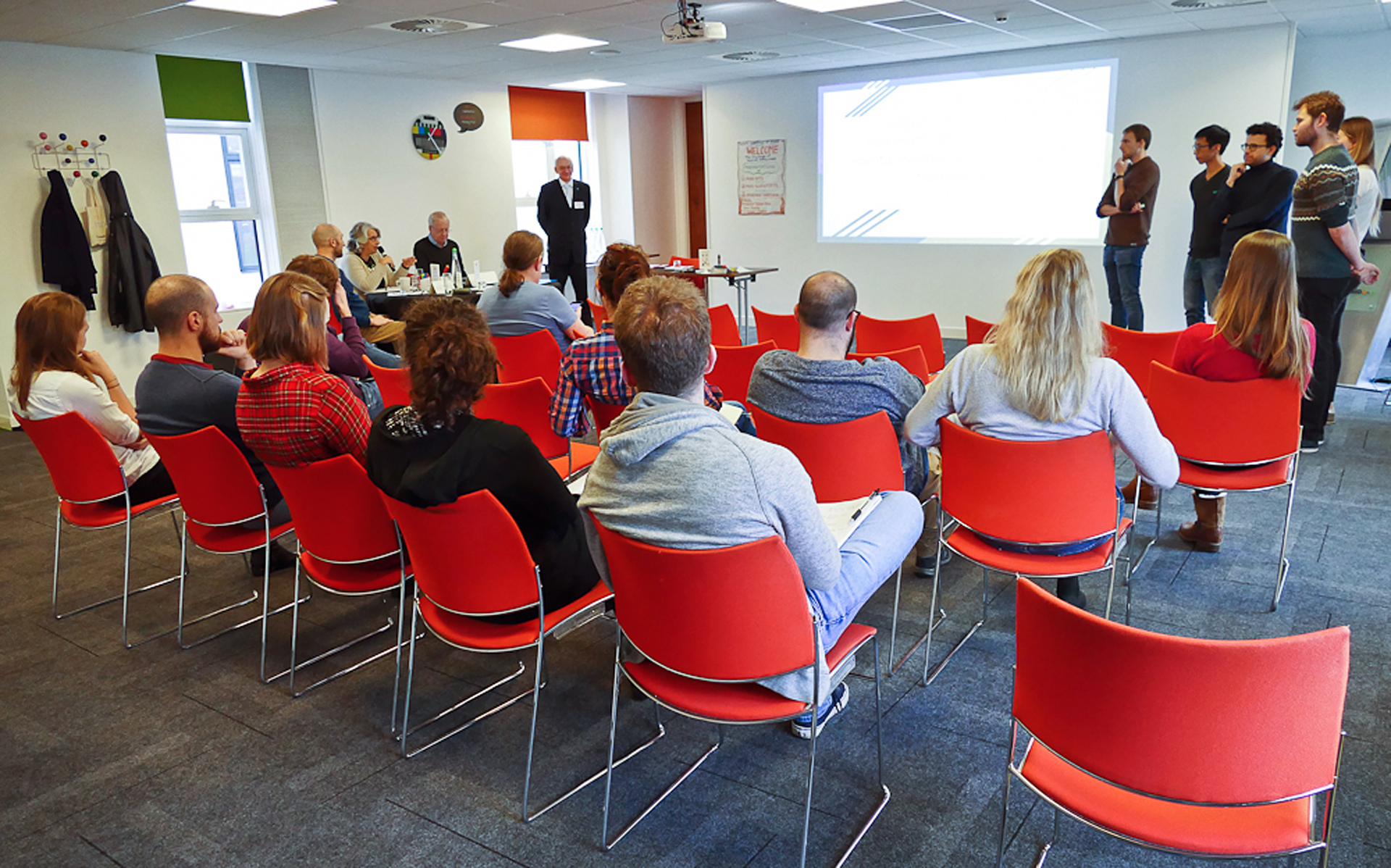
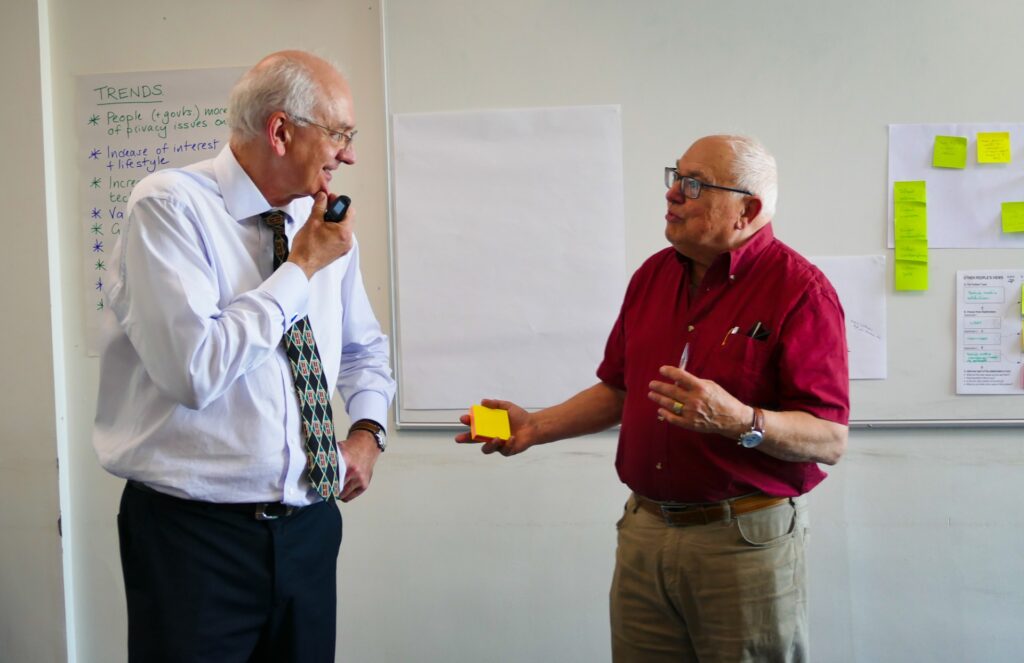
Learning events for Staff are devised according to need, structured to provide the desired learning outcome. Example focii are:
Creativity & Innovation
Dealing with People
Effectiveness and Organisation
Personal Development
Leadership
Researcher Development
From our extensive experience of delivering learning events for Researchers we have developed our “Secrets of Researcher Success” and a programme called “Star Researcher“, both of which are based on our model of mind which shows how skills fit together.
“Secrets of Researcher Success”
Our ready made series covers these 4 key topics below, as learning events. See the Researcher Development pages for details.
- Thinking
- Organising Yourself
- People
- Problem Solving & Decision Making
“Becoming a Star Researcher”
A practical, action-oriented programme to develop pathways to research leadership. Researchers collaborate in teams, whilst developing and acting on individual career goals. See Becoming a Star Researcher for details.
Research is about knowledge, and our thinking about that knowledge. Given the high significance of “thinking” in research, it is surprising how little effort we expend on the explicit development of the skill of thinking itself. It is rare to hear researchers ask questions such as “How shall we go about our thinking here?”. Indeed, compared to the vocabulary we have for the content of knowledge (quarks, macrophages, space-time, epi-genetics…) and the relations between that content (fields, energy, evolution, catastrophe theory…) we have almost no language to talk about the thinking that we do with that content.
From experience of working with thousands of researchers, few have words to articulate how to have new ideas, or for “thinking” outside of the critical/analytical tradition. Again this is surprising given the central role of originality in research careers. Common problems facing researchers include staring at a blank wall wondering “What to do?”, “How to solve this problem?” and so on. And then there is the opposite problem of racing ahead unquestioningly when some thought would show our actions will be of little value – the missed thinking opportunities which are so obvious in hindsight.
The field of “thinking as a skill” has existed for decades, and for intriguing reasons, largely outside of academia. Corporations are more guarded about the tools they use, yet many examples of success can be found. There is much that can be learnt, and more importantly applied, in the field of thinking, for the practical purpose of doing.
The combined effect of both the high significance of practical thinking as a skill in research, and the low explicit knowledge about it, means there is proportionately high value to be gained. It provides no guarantees of success, but does provide systematic approaches to the task – much as mathematics cannot guarantee to solve problems, but provides systematic ways to approach them which are highly valuable.

See Who we do it for – Academia for our clients and examples of who we work with, and how they responded to what we did for them, and Engagement Formats for different options for delivery.
originality
Imitation is built in. To be original we need to be courageous.
learning
Repetition by itself doesn’t mean that learning has taken place.
attitude
Encourage a positive view to counter our inbuilt negativity bias.